
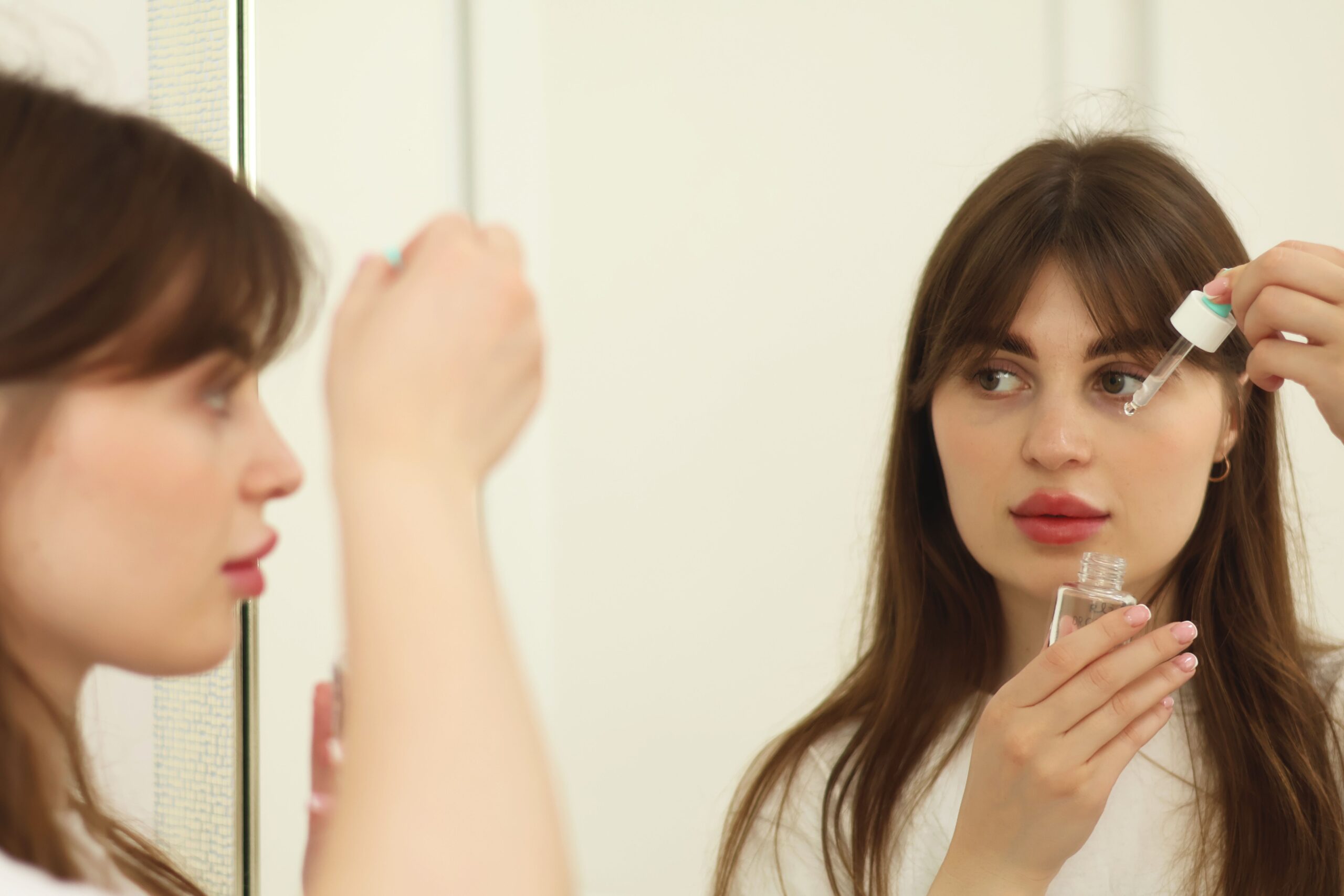
Skincare Routine Basics: Serums, Moisturizers & What Order to Use Them

If you’ve ever stood in front of your bathroom mirror holding three different bottles and wondering which one goes on first — you’re not alone. Skincare routines can feel confusing, especially with so many products claiming to be “must-haves.” The good news: a good routine doesn’t need to be complicated. It just needs to follow the right order.

Here’s a simple breakdown anyone can follow, whether you’re just starting or trying to fix a routine that isn’t quite working.

The Basic Rule: Thin to Thick

The general rule for skincare order is simple — apply products from the thinnest texture to the thickest. This lets each product absorb properly instead of sitting on top of each other and doing nothing.

Morning Routine (Step by Step)

  1. Cleanser — Wash your face with a gentle cleanser to remove oil and dirt from overnight.
  2. Serum — Apply a face serum (like Vitamin C or hydrating serums) on clean, slightly damp skin. Serums are light and packed with active ingredients, so they should be applied early.
  3. Moisturizer — Lock in the serum with a moisturizer suited to your skin type (see below).
  4. Sunscreen — This step is non-negotiable, especially in Pakistan’s sun. Apply sunscreen as the last step, even on cloudy days and even if you’re mostly indoors.

Night Routine (Step by Step)

  1. Cleanser — Remove the day’s dirt, sweat, and sunscreen.
  2. Treatment Serum — This is a good time for stronger serums, like collagen or retinol-based products, since your skin repairs itself while you sleep.
  3. Moisturizer — A slightly richer night cream or moisturizer helps lock in hydration overnight.

Choosing Products for Your Skin Type

Oily or acne-prone skin: Look for lightweight, oil-free serums and gel-based moisturizers. Avoid heavy creams that can clog pores, especially in Pakistan’s humid summer months.

Dry skin: Go for hydrating serums (hyaluronic acid is a good option) and richer, cream-based moisturizers that lock in moisture for longer.

Sensitive skin: Fewer ingredients are usually better. Introduce one new product at a time so you can tell what’s working — and what’s causing irritation — instead of changing your whole routine at once.

Combination skin: You can use a lighter moisturizer on oilier areas (usually the forehead, nose, and chin) and something richer on drier areas (cheeks), or just use a balanced, all-over formula made for combination skin.

Common Mistakes to Avoid

  • Skipping sunscreen — this is the single biggest mistake people make, even with an otherwise perfect routine.
  • Using too many active ingredients at once — mixing strong actives (like Vitamin C and retinol) in the same routine without knowing how your skin reacts can irritate.
  • Switching products too often — give a new product at least 2-3 weeks before deciding if it’s working.
  • Applying moisturizer before serum — this blocks the serum from absorbing properly, wasting the product.

A Simple Starter Routine

If you’re just beginning and don’t want to overcomplicate things, this three-step routine covers the basics:

  1. Gentle cleanser (morning and night)
  2. A hydrating serum suited to your skin type
  3. Moisturizer, with sunscreen added in the morning

You can build on this over time as you learn what your skin responds to.

Frequently Asked Questions

Do I really need a separate serum and moisturizer? Yes — they do different jobs. Serums deliver active ingredients deep into the skin, while moisturizers seal that hydration in and protect the skin’s surface. Skipping one usually means the other works less effectively.

Can I use the same routine in summer and winter? Not exactly. Skin tends to get oilier in summer and drier in winter, especially in Pakistan’s climate — so a lighter moisturizer in summer and a richer one in winter usually work better than using the same product year-round.

Is sunscreen necessary if I mostly stay indoors? Yes. UV rays pass through windows, and daily sunscreen use is one of the most effective ways to prevent early skin aging and sun damage, indoors or out.

How long before I see results from a new skincare routine? Most people need 3-4 weeks of consistent use before noticing real changes — skincare isn’t usually an overnight fix, so consistency matters more than switching products often.

Looking to build your skincare routine? Browse our Beauty & Cosmetics collection for serums, moisturizers, and daily essentials — with Cash on Delivery available across Pakistan.
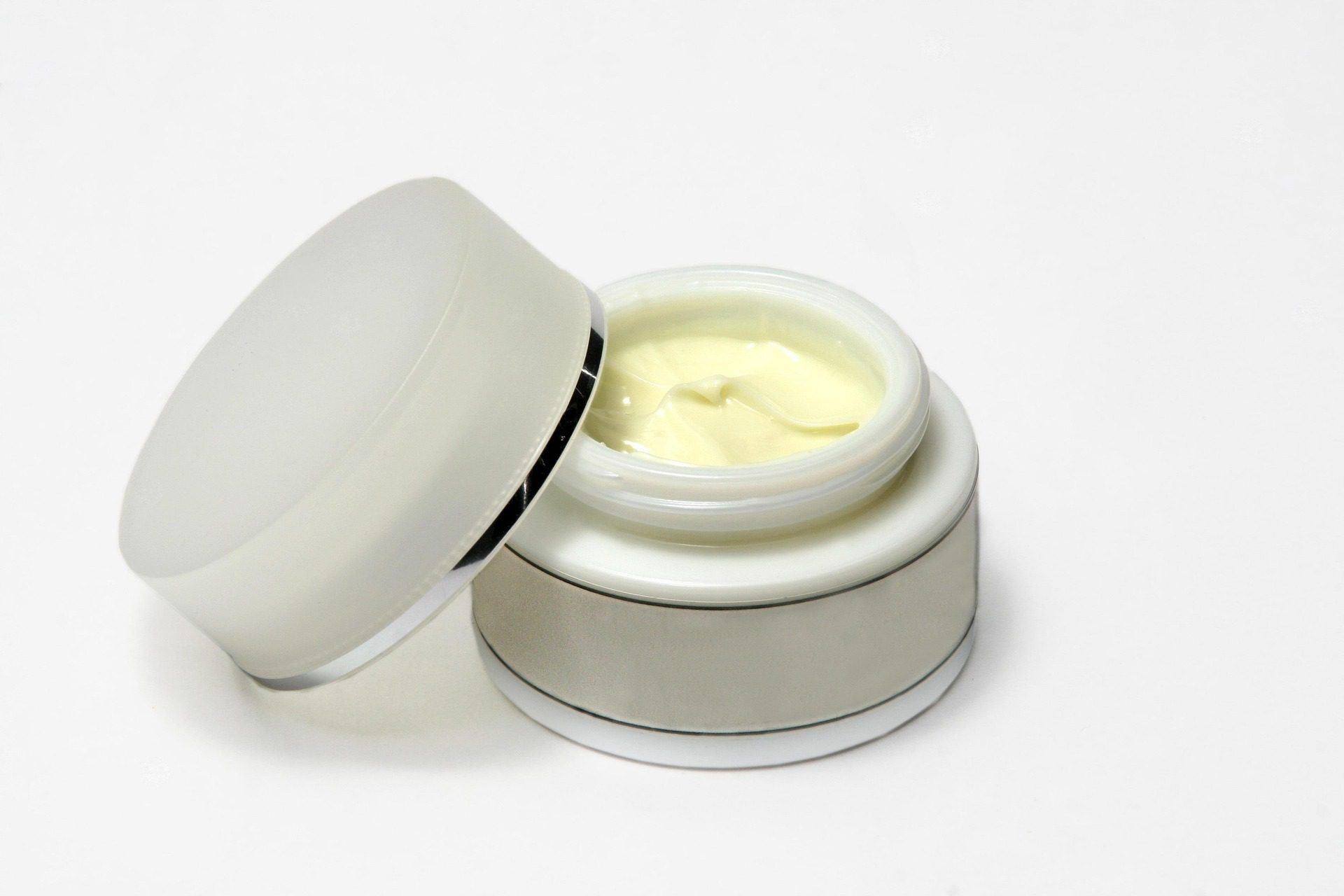
Best Bleaching Skin Cream: A Simple Guide to Brighter, Healthier Skin

If you have ever searched for the best bleaching skin cream, you already know how confusing it can be. Walk into any store, or scroll through any online shop, and you will see dozens of creams. Every box promises “fair skin in 7 days” or “instant glow.” But which one is actually good for your skin? And which one might do more harm than good?

In this guide, we will break it all down in simple words. No hard science terms, no confusing jargon — just honest, easy-to-understand information to help you choose the right bleaching cream for your skin.

What Does a Bleaching Cream Actually Do?

A bleaching cream (also called a skin-lightening or fairness cream) works by slowing down the production of melanin in your skin. Melanin is the natural pigment that gives your skin its color. When you have dark spots, sun tan, or an uneven skin tone, it is usually because certain areas are making more melanin than others.

A good bleaching cream helps to even out this melanin production. Over time, this can make dark spots look lighter and give your skin a more even, brighter appearance.

It is important to understand one thing clearly: a bleaching cream does not “whiten” your skin like paint. It simply reduces extra pigment so your natural, even skin tone can show through.

What Should You Look For in a Good Bleaching Cream?

Not all bleaching creams are made the same way. Here are the things worth checking before you buy one.

1. Gentle, Skin-Friendly Ingredients

The best creams usually contain mild brightening ingredients such as:

  • Niacinamide – helps even out skin tone and calms redness
  • Vitamin C – brightens skin and fights free radicals from sun and pollution
  • Licorice extract – a natural ingredient known for gentle lightening
  • Alpha arbutin – a milder alternative that works slowly but safely
  • Kojic acid – another natural option used in many quality creams

These ingredients work with your skin, not against it, which means fewer side effects.

2. SPF Protection or Pairing with Sunscreen

Sun exposure is one of the biggest reasons for dark spots and uneven tone. Many good bleaching creams either contain SPF or are meant to be used along with a sunscreen. Without sun protection, the results of even the best cream can be undone quickly.

3. Suitable for Your Skin Type

Someone with oily, acne-prone skin needs a different formula than someone with dry or sensitive skin. Always check whether the cream is labeled for your skin type before buying.

4. Trusted Brand and Clear Ingredient List

A trustworthy cream will always list its full ingredients on the packaging. If a product hides its ingredients or only says “secret fairness formula,” that is a warning sign, not a good one.

Ingredients You Should Be Careful About

This is the part most people skip, but it matters a lot for your skin’s long-term health.

  • Mercury – This is a banned and dangerous ingredient in many countries because it can damage the skin and even affect internal organs over time. Never use a cream that lists mercury or “calomel” as an ingredient.
  • High-strength steroids – Some old-style bleaching creams use strong steroids to give a quick “glow.” These can thin your skin, cause it to become overly sensitive, and lead to more dark spots later.
  • Very high-dose hydroquinone without guidance – Hydroquinone can be effective in small, regulated amounts, but using it in high concentrations for a long time without a dermatologist’s advice is not recommended.

If a cream promises overnight fairness or dramatic change in just a few days, take that as a red flag rather than a selling point. Real, safe skin brightening takes weeks, not days.

How to Use a Bleaching Cream the Right Way

Even the best bleaching skin cream will not work well if it is used the wrong way. Here is a simple routine to follow:

  1. Cleanse first – Wash your face with a mild cleanser before applying any cream.
  2. Patch test – Apply a small amount on your inner arm and wait 24 hours to check for irritation before using it on your face.
  3. Apply a thin layer – More product does not mean faster results. A thin, even layer is enough.
  4. Use at night (for most creams) – Many brightening ingredients work best overnight and can make your skin more sensitive to sunlight during the day.
  5. Always follow with sunscreen the next morning – This step is non-negotiable if you want real, lasting results.
  6. Be patient – Most good creams show visible results in 4 to 8 weeks of regular use, not overnight.

Common Myths About Bleaching Creams

Myth: “The more I apply, the faster it will work.” Truth: Overusing a cream can irritate your skin and cause redness or peeling, which can actually make dark spots worse.

Myth: “Bleaching cream changes your natural skin color.” Truth: It does not change your genetic skin tone. It mainly targets extra pigmentation like spots, tan, and unevenness.

Myth: “If it burns or tingles, it’s working.” Truth: A burning sensation usually means the product is too harsh for your skin, not that it’s more effective.

Myth: “Natural means it has no side effects.” Truth: Even natural ingredients like lemon or certain oils can irritate sensitive skin. “Natural” does not automatically mean “safe for everyone.”

Who Should Be Extra Careful?

  • People with very sensitive or eczema-prone skin should choose fragrance-free, mild formulas.
  • Pregnant or breastfeeding women should check with a doctor before using any bleaching cream, since some ingredients are best avoided during this time.
  • Teenagers with active acne should focus on treating the acne first, since many spots fade naturally once acne is under control.

Final Thoughts

Choosing the best bleaching skin cream is not about picking the one with the boldest promises on the box. It is about picking a cream with gentle, proven ingredients, using it consistently, and protecting your skin with sunscreen every single day.

Healthy, even-toned skin is a journey, not an overnight fix. With the right cream and a little patience, you can achieve a natural glow that lasts.

Looking for trusted, quality skin care products? Explore our collection of dermatologically-friendly bleaching and brightening creams, picked for safety and real results.